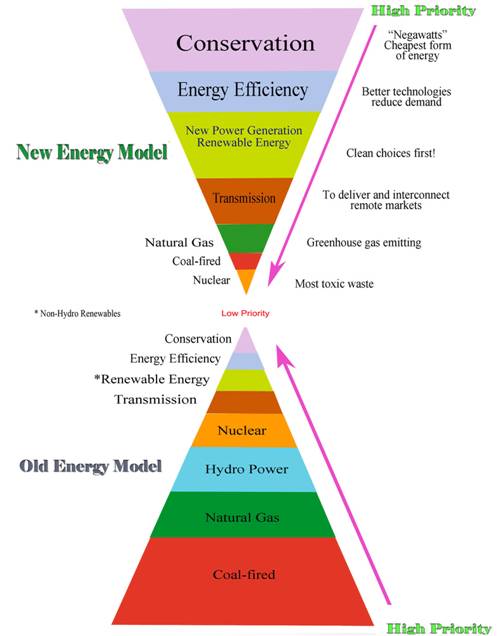
Flip the Old Energy Model Upside DownPeter Meisen, Global Energy Network Institute September, 2009 Mankind has had access to electricity for only 130 years. In just over a century, we have extended transmission lines, refrigeration and lighting to nearly 5 billion people around the world. This extraordinary feat has elevated three-quarters of humanity out of the daily toil of our pre-Edison generations. Still, 25% of humanity lives without access to electrical services, spending their days in labor: fetching water and wood, preparing food, and farming simply to survive. We've landed a man on the moon and launched satellites to explore the universe. Surely we can electrify the rest of our world. Since 1950, 2.5 billion people have become 6.6 billion; a global economy of $7 trillion is now $66 trillion gross world product. Today's impacts of burning fossil fuels by this population and this global economy are felt distinctly on every continent and coastline and in our shared atmosphere. We need to flip the old energy model - based on a hierarchy of choices - which prevails to this day in many utility boardrooms and national capitals. The priority order has gone something
like this (percentages below are of global electricity
mix):
When we need more power, we build large hydropower dams (16%) or coal-fired (40%) or nuclear (16%) power plants. Defined as centralized plants, their power is fed into regional transmission grids. The voltage is stepped down into distribution lines that deliver electricity to our cities and industries. As demand for energy increases from economic and population growth, the answer has usually been to build more of the same. The development of the jet engine also brought a quicker and cleaner way to generate utility scale power. Natural gas (20%) has become the fuel of choice for new power plants that could be sited and on-line within months instead of years. A few oil-rich nations still burn petroleum (7%) to keep the lights on. Renewables (1%) - solar, wind, geothermal, biomass, small hydro and ocean energies (wave, currents, tides, and ocean thermal energy conversion) - have been considered last priority. Called "alternative energy," utilities have argued that they are too costly, intermittent, diffused, remote and insufficient to meet the demands of our modern society. Energy efficiency and conservation were an afterthought. Energy efficiency is about improving on technology: getting both heat and power from a power plant while using less fuel or developing washing machines and refrigerators that use half the energy. Conservation requires that people turn off the lights and their computer monitor and has been dismissed as a 'personal virtue but not an energy plan.' The world has now changed. Our addiction to fossil fuels for both power and transportation is increasing CO2 levels at unprecedented rates. A 'market price per ton of carbon' seems all but certain and will soon be enacted and dramatically alter the cost equation for all fossil fuel producers and consumers. The energy system of the 20th century will cause tremendous disruptions in the 21st century and going forward. A new energy paradigm is required, one that flips the old model upside down. We propose that policy-makers, utilities and ratepayers analyze energy choices in this new priority order: Conservation first: The watt that you don't need to generate is the cheapest and cleanest energy of all. Conservation is a habit that each of us can choose. By recycling, turning off the lights and turning down the thermostat, or taking the bus or metro, we can collectively reduce the need for that next power plant. During times of utility crisis, consumers have responded with 10-20% cuts in use. We do know how to conserve -- and it requires constant education. Energy efficiency next - doing more with less: Increasing the efficiency of a power plant means getting more power from less fuel or for an automobile, more miles per gallon. Continuous improvement in technology enables us to get the same amount of work while using less energy, materials and/or time. New businesses are created by increasing energy efficiency - as examples: combined cycle gas turbines, compact fluorescent light bulbs, hybrid cars, energy star appliances and automatic light sensors. Then we get to new power generation. Renewable energies get primary focus in this new model. They have now become mainstream, providing cost-competitive, secure and reliable power from rooftop photovoltaic cells to grid-connected wind and solar farms. Brazil, Canada, Iceland, New Zealand and Norway meet almost all their electrical needs from renewables. These nations primarily use large hydro, allowing benefits to agricultural irrigation, municipal drinking water, recreation and flood control. Globally, many utilities are now incorporating large-scale wind, solar and geothermal power. Did you know that using just 4% of the world's deserts could provide sufficient solar radiation to power all the electrical needs of the world! Or that the winds of the American plains could supply all the needs of the United States? Renewable resources maps clearly reveal an abundance of clean energy potential on every continent. There is no energy scarcity. Renewable energy at this scale requires a transmission grid to get its power to market. The grid acts as the freeway for electrons. Some of the optimal solar, wind and geothermal sites are in remote locations, even neighboring nations, and requires transmission access to deliver this clean energy for our daily use. Fossil fuels and nuclear are last in line. Natural gas is the cleanest burning fuel. Compared to coal, natural gas emits just 25% of the carbon dioxide and releases no nitrous and sulfur oxides or particulate matter. In the context of climate change, natural gas beats coal hands down. In the United States, several of the 150 planned coal fired plants have been challenged on the basis of future carbon costs and climate change concerns. Many climate scientists assert that no new coal fired plants should be built unless their carbon dioxide emissions can be sequestered. There are currently 440 nuclear power plants around the world. Each one has a stockpile of radioactive waste that is dangerous to humans for 25,000+ years (half-life of waste fuel). Of global concern is Iran's foray into the nuclear club which is now being followed by several Middle Eastern states. While nuclear advocates assert the carbon-free fuel, the costs of construction, facility protection, operation, decommissioning, waste storage and fuel security are higher than all other options. Nuclear plants are essentially high-tech ways to boil water for steam, to turn a turbine and generate electricity. We now have more elegant, domestic and cleaner ways to generate and deliver electricity to society going forward. Remaining addicted to fossil fuels is damaging to our environment and bad long term policy. It is unsustainable. Aggressive policies that encourage conservation, energy efficiency and linking renewable resources are the new priorities. It's time for the annual $200 billion fossil fuel subsidies to shift in favor of renewables. Flipping our energy choices upside down will drive innovation and investment towards a decarbonized future . . . and just makes sense.

|