Can renewable energy help solve India's power woes?Oct. 3, 2011 - Tata Power - rediff.com
One has often heard the comments that renewable
power is too expensive, needs a lot of scarce subsidy
to make it viable, is subject to the vagaries of
nature, is not available when one needs it, needs
a lot of land, the technology still needs to develop
to make it cheaper, and so on. So can renewable power become a commercially viable solution for India? As a matter of fact, it is soon likely to be. It is common knowledge that many cities and towns across the country face power cuts of eight to 12 hours and, in some cases, even more. Most rural areas do not get any power at all. So while politicians promise free power, they do not provide any power at all. Some way to keep a promise. India still has about a 100,000 villages that are not even electrified. So what does the common man do? He has no option but to resort to solutions such as diesel generator sets and inverters that run on diesel, which is subsidised.
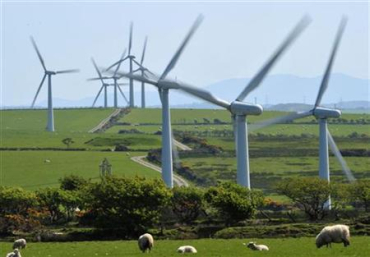
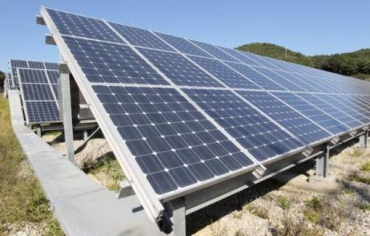
The extremely impoverished have to resort to using biomass and almost 23 per cent of the country's primary energy needs are met using biomass, a fact that is usually ignored. The cost of generating power using diesel or kerosene and that too on a subsidised basis is more than Rs 12 per unit. Without the subsidy on diesel, the power cost would be over Rs 14 per unit. The cost of producing power from micro wind turbines (2kw to 6kw) is around Rs 7 to Rs 8 per unit, depending upon the wind speed. The cost of roof-top mounted solar power is around Rs 13 per unit. If one were to add an energy storage device along with these micro wind or solar options to make power available on demand, then the cost of power would go up at best by another Rs 2 per unit. Further, it is commonly accepted that the prices of all fossil fuels, particularly of oil, will only increase exponentially in the days to come. The cost of renewable power will, however, remain the same and over time technological advances will make the capital cost of renewable solutions even more economical.
So how is renewable power "far more" expensive? We make the folly of comparing the cost of renewable power to that of large grid connected coal-based plants and then moan about the huge subsidy burden that renewable power has to be given. In a country like India, renewable power can actually meet the need on a commercial basis, without the need for any subsidies. Decentralised renewable power coupled with energy storage also meets the ever-increasing need for peaking power. India as a country currently does not have any solution to address peaking power requirements. While seasonal peak demand, like in summers, is well addressed by hydro power, there is no planning to address daily peak demand. The solution adopted by the state electricity boards is to resort to load shedding. The only viable solution to address peaking demand is to have gas-based generation facilities along with suitable gas storage facilities. India does not have adequate gas reserves and building gas storage is expensive.
While peaking plants on gas are likely to come up in the future, the cost of power is likely to be high and unpredictable. On the other hand, India is blessed with a high intensity of sunshine and a good wind speed for much of the year. We can and should utilise these natural resources to our advantage. We can actually leapfrog from load shedding and having no power at all to being self-sufficient in power by using renewable resources in a decentralised manner. India has to reduce her dependency on imported energy because it makes the economy acutely vulnerable to global energy prices and exchange rate fluctuations. India is currently importing all forms of fossil fuels to meet its needs, including coal. If the above is so obvious, then what needs to be done to ensure that renewable power is better utilised? From a policy standpoint, in renewable power, we need to put a lot more emphasis on smaller, decentralised solutions. Without the need for any subsidy, these decentralised renewable solutions are commercially viable. The policy and regulatory framework only needs to facilitate and encourage such solutions. The subsidy on diesel and kerosene for the purpose of power generation needs to be eliminated. This will further enhance the attractiveness of renewable energy solutions.
Time of the day tariffs needs to be implemented across the country, which will imply that cost of power during the peak hours, will be more than that during non-peak hours. Our building and construction codes should ensure that roof-tops are designed to accommodate micro solar or micro wind installations. An approach similar to that for rainwater harvesting in buildings needs to be adopted. The finance and banking community should step forward to make these solutions more attractive for consumers and provide financing as these solutions are capital-intensive. Loans with a longer tenure need to be made available to the consumers. India needs to take the lead in innovating on reducing the life cycle costs of these solutions and also in energy storage options. A bolder initiative between industry and the government in this regard needs to be undertaken. This dimension of innovation could be encouraged through financial incentives and tax breaks.
Given the scale of India's peaking power requirement and the absence of any other commercially viable solution, it is an ideal setting to encourage decentralised renewable solutions coupled with storage. For the country as a whole, a composite solution, where base load is met by coal/gas/nuclear energy and peaks are met by decentralised renewable power, would be an ideal combination. This approach will also save on the use of scarce land and on the need to string long and expensive transmission lines to wheel power from where renewable power is generated to where it is used. It is imperative that we position renewable power as a commercially viable solution rather than just a green and exotic option. This approach will also find wider public willingness and political acceptance. 
|