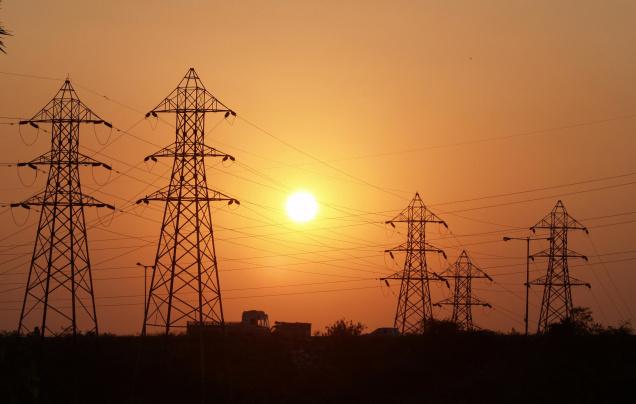
Smart Grid is the ‘energy Internet' of the futureDec. 1, 2011 - MINI SHAJI THOMAS - thehindu.com
In India, the demand for power is surging with shortage peaking over 15 per cent. Many of the households are still not connected to the country's electricity grid. According to the Ministry of Power, India's transmission and distribution losses are among the highest in the world, averaging 24 per cent of total electricity production, in some states as high as 62 per cent. In fact, the total average losses are as high as 50 per cent when energy theft is taken into consideration of which technical losses alone account for 30 per cent of all losses. Indian utilities need to address challenges of high AT&C losses, payment default by consumers, encroachments on electrical network creating unsafe situations, theft of electricity and electrical equipment, distribution transformer failure and rising power purchase costs. To address what is emerging to be a serious national issue, considering the increase in demand for power and to create the required infrastructure for growth, India needs to invest in building a modern, intelligent grid. Let us first define a grid. A grid is a collective name for all the wires, transformers and infrastructure that transport electricity from power plants to end users. The present day grid is unidirectional and does not maximize technological developments. Even today people need to inform the utility of a problem or failure in their area. The effort is to change this in India, and across the world. Solutions such as capability of remote disconnection on non-payment by consumers, automatic alarms when network is being encroached or when people engage in theft will enable utilities stop pilferage and avoid unsafe situations or accidents. In addition, optimal asset utilisation can be planned with online data of overloading of transformers and network, which can help reduce or prevent failures. A national Smart Grid would evolve the existing system into one that would be better suited for the information flow which is required for energy conservation, higher reliability and the introduction of variable generation power from renewable sources. Smart Grid is the convergence of Information Technology (IT), communication technology and electrical infrastructure. It is a network for electricity transmission and distribution systems that uses two way state-of-the-art communications, advanced sensors and specialized technology to improve the efficiency, reliability and safety of electricity delivery and use. It is actually a process, an evolution of the electricity network from generation to consumption in a way that is interactive, flexible and efficient. Proper implementation of Smart Grid might provide uninterrupted electricity to consumers across India to a larger extent, even in remote locations, while eliminating wastage of power units. Smart Grid solutions would enable utilities to increase energy productivity and power reliability while allowing customers manage usage and costs through real time information exchange. It impacts all components of the power system like generation, transmission and distribution. The Smart Grid presents some primary benefits including lower operating and maintenance costs, lower peak demand, increased reliability and power quality, reduction in power theft and resultant revenue losses, reduction in carbon emissions and expansion of access to electricity. Smart Grids through demand response and load management reduce the per unit production cost. By reducing the peak demand, a Smart Grid can reduce the need for additional transmission lines. Smart Grids are undoubtedly the “energy internet” of the future. The engagement and cooperation of all stakeholders (regulators, utilities, vendors, customers, etc) is a vital first step. Everybody has to work together and move at the same speed. It will take India a few years to realize the full impact of Smart Grid when a utility control room operator can regulate an electric meter in homes. The technology can help us reduce electricity transmission and distribution losses to 5-10 per cent annually. Without Smart Grid, India will not be able to keep pace with the growing needs of its cornerstone industries and will fail to create an environment for economic growth. 
|