|
An Historical Model: America's Rural Electrification
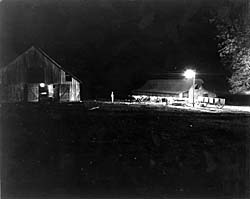
While America has traditionally championed privatization and market liberalization as the all encompassing answer to development issues including rural electrification, it is interesting to compare how America's rural inhabitants came to have electricity. Contrary to the acclaim of the free market, rural electrification in America happened as a result of social programs implemented upon the passage of the Rural Electrification Act of 1936. Prior to the act, approximately 10% of America's rural dwellers had electricity in comparison to 90% of the urban population. Private utility companies argued that it would be too costly to extend the grid for such a low density of demand. In response to this unmet need, the Roosevelt Administration created the Rural Electrification Administration (REA) in 1935. The REA made millions of dollars in loans available for public, private, and cooperative utility adventures. Rural cooperatives emerged as the key borrowers of REA funds, which were private partnerships owned and controlled by the they served. The role of rural cooperatives allowed households with a high demand access to electricity even when private utilities denied them. The REA caused controversy among those who felt the government was unfairly competing with private utilities. Some argued that the public provision of electric power was a step closer to socialism (which it essentially was), which led to judicial hearings. Ironically, the REA did little to impede private utilities - it actually helped electric companies by providing credit for grid extension and increasing the customer base of the utility companies. The arrangement proved to be successful- rural households with electricity shot up to 25% in just four years. In fact, some countries today have used the REA as a model for their own rural electrification programs. Picture courtesy of: http://newdeal.feri.org/tva/tva10.htm <<back || index || next>> |